
Te Tautara o Pukekohe
What we’re doing
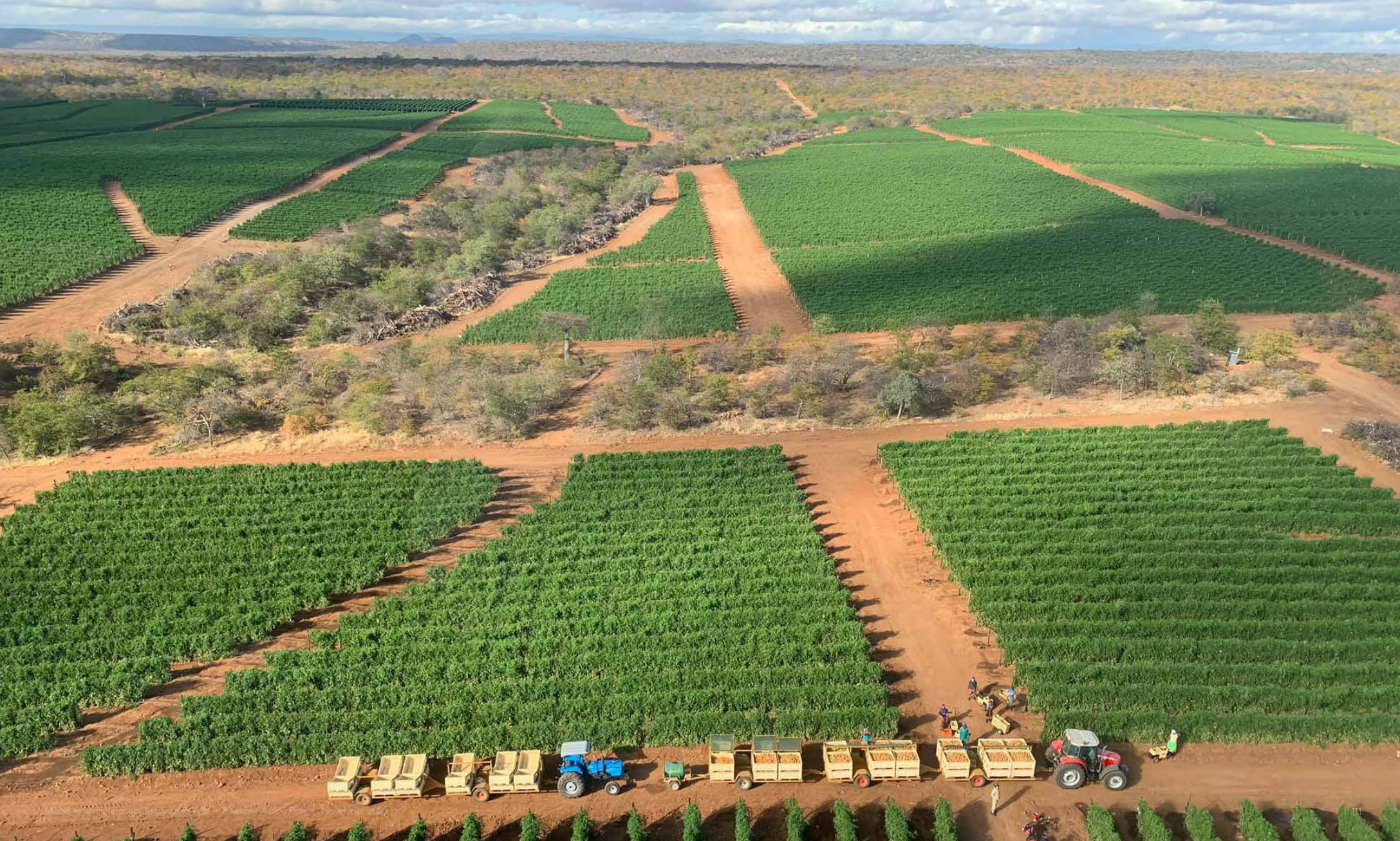
In 2024, Te Tautara o Pukekohe Trust received a $5.65 million investment from the Ministry for the Environment's Essential Freshwater Fund to begin implementing priority projects from the Te Ora o Te Wai Pukekohe Action Plan. Over two years, eleven projects have been delivered: mana whenua led cultural health monitoring and riparian restoration, a vegetable industry research and demonstration farm, practical environmental tools for growers, and two catchment wide strategies for planting and monitoring. Mana whenua work and industry work progressed in parallel, with the shared aim of improving freshwater health without sacrificing the food production this region provides for the rest of the country.
The initial funding period runs to mid-2026, and the Trust is now working to secure the next phase of investment. Below you'll find details on what each project delivered, and where things are heading next.
Cultural Health Indicators
For mana whenua, cultural health indicators are a way of reading the wellbeing of the waterways in their rohe. They don't lean on scientific measures alone. Each of the three iwi involved with TToP (Ngāti Tamaoho, Ngāti Te Ata, and Ngāti Tīpa) have built their own framework, shaped by unique mātauranga and long relationships with the awa that runs through its territory.
These indicators pay attention to things a lab test would miss: how the water smells, whether the manu and other culturally significant species are present, and the condition of sites that hold particular meaning. They sit alongside conventional western science ways of measuring water quality (like E. coli levels, turbidity, macroinvertebrate counts, environmental DNA) so both ways of knowing are helping us understand what's actually happening in the catchment. This matters because the two approaches ask different questions. Western science can provide a certain measure the state of a waterway, but cultural health monitoring asks questions that are meaningful to iwi.
Each iwi has now developed its own monitoring tool and begun using it to assess their significant waterways and build up their own records over time. When gathered over time, it will show how the awa is faring and guide which parts get prioritised for restoration.
Ngāti Tamaoho
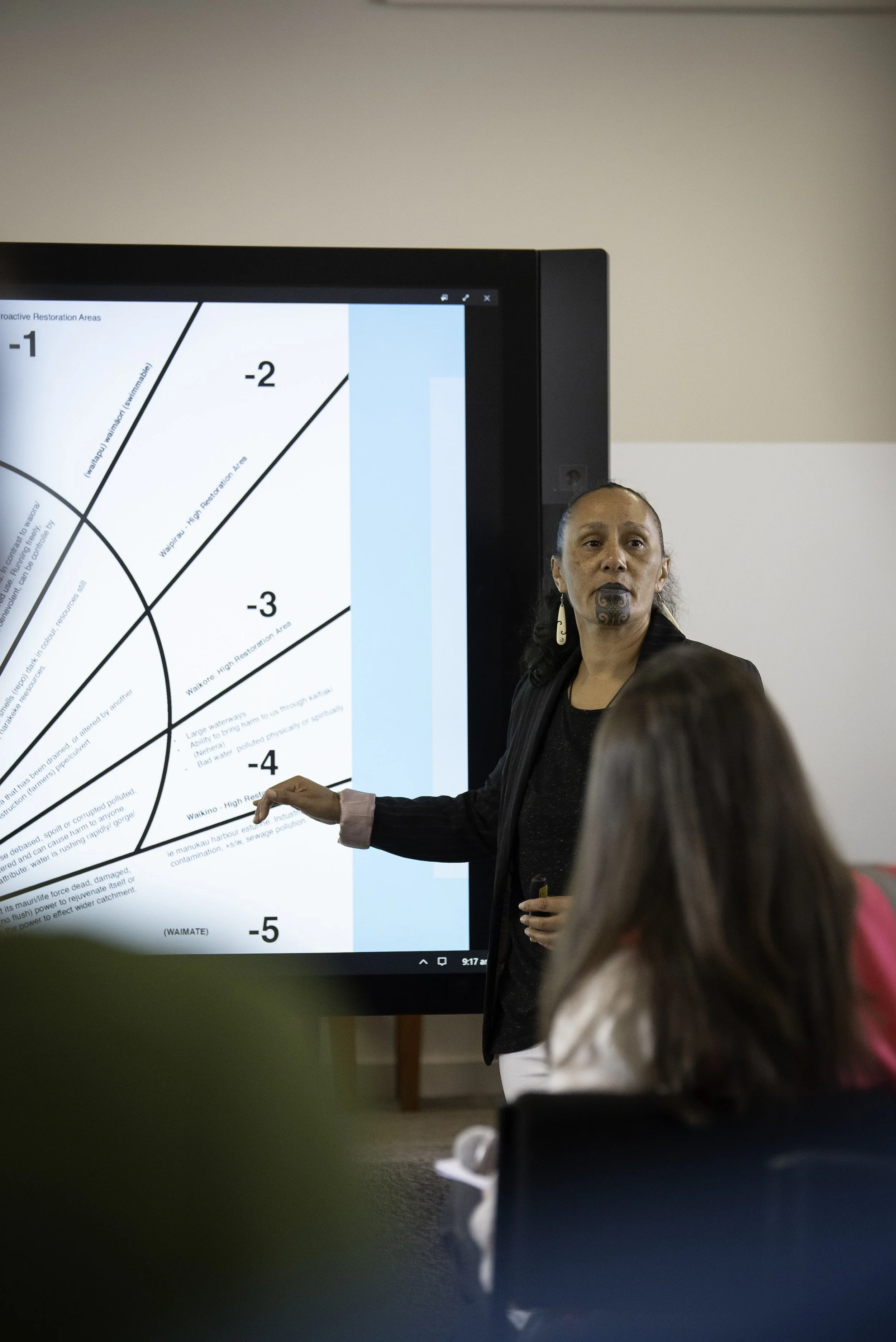
Edith Tuhimata of Ngāti Tamaoho first developed the cultural health indicator tool and has led its implementation across the programme. Ngāti Tamaoho are using the tool to monitor and test at 12 sites across their rohe, returning to the same locations season after season to build a meaningful picture of how those waterways are changing over time. eDNA sampling runs alongside the cultural monitoring to broaden the evidence base.
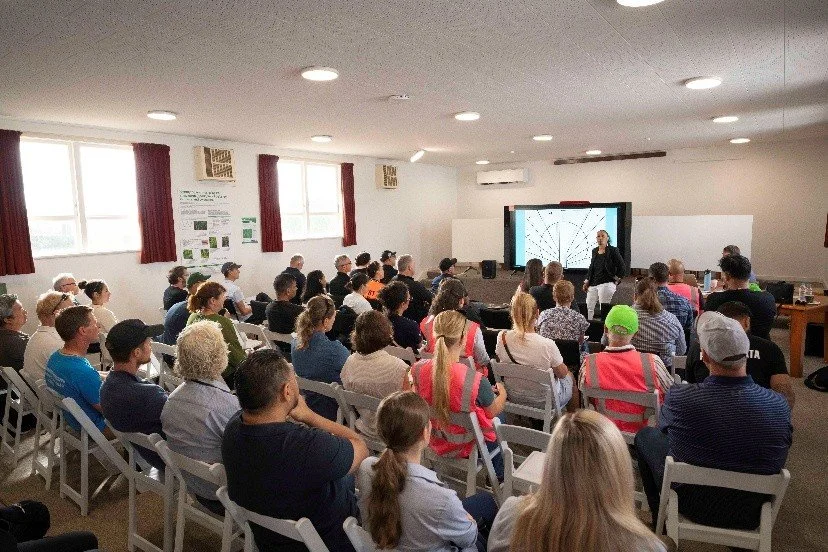
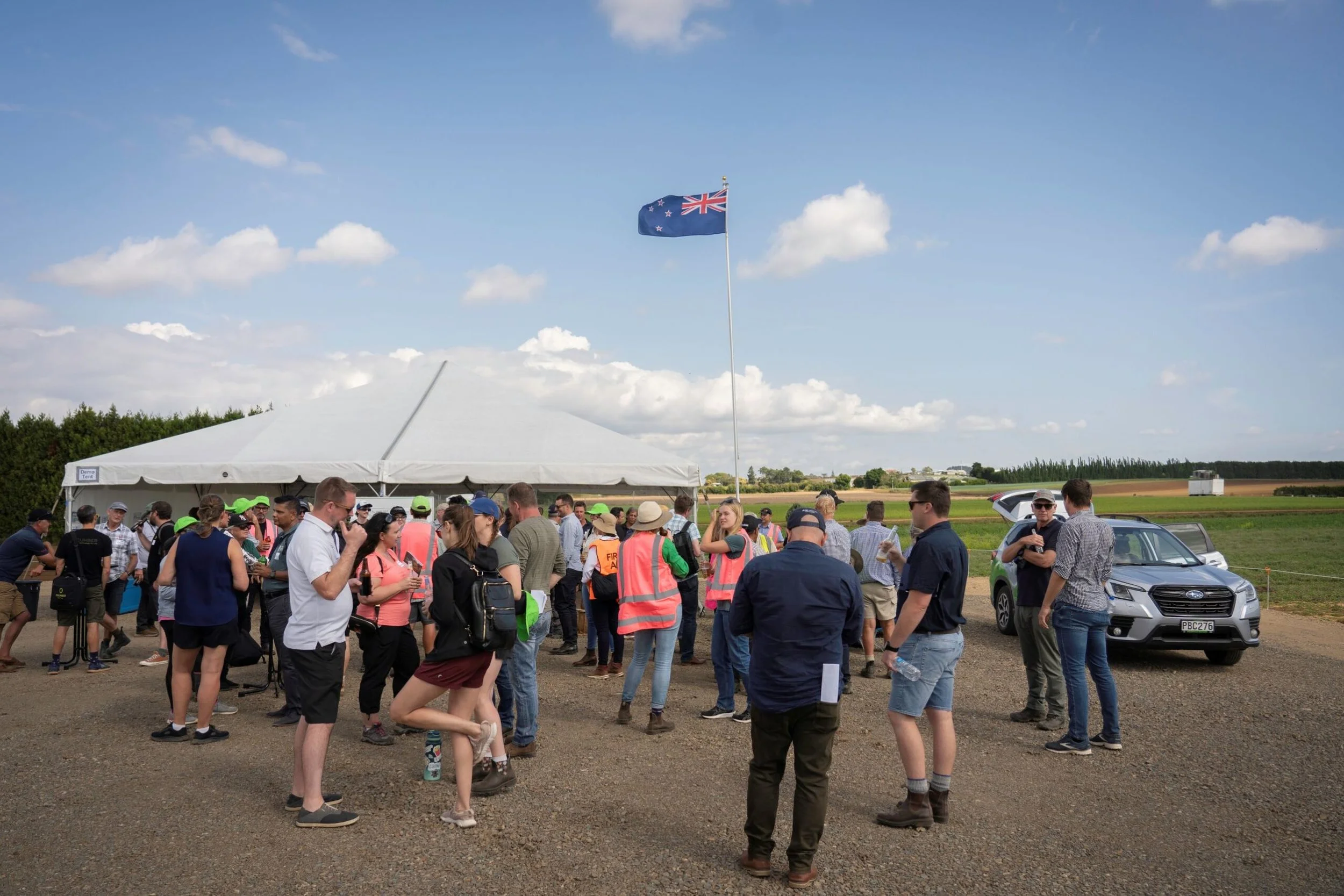
Ngāti Tamaoho have also taken the tool beyond the catchment — presenting it at the NZ Stormwater Conference and the Vegetables Day Out to demonstrate to industry and government what culturally grounded freshwater monitoring looks like in practice.
Ngāti Tīpa
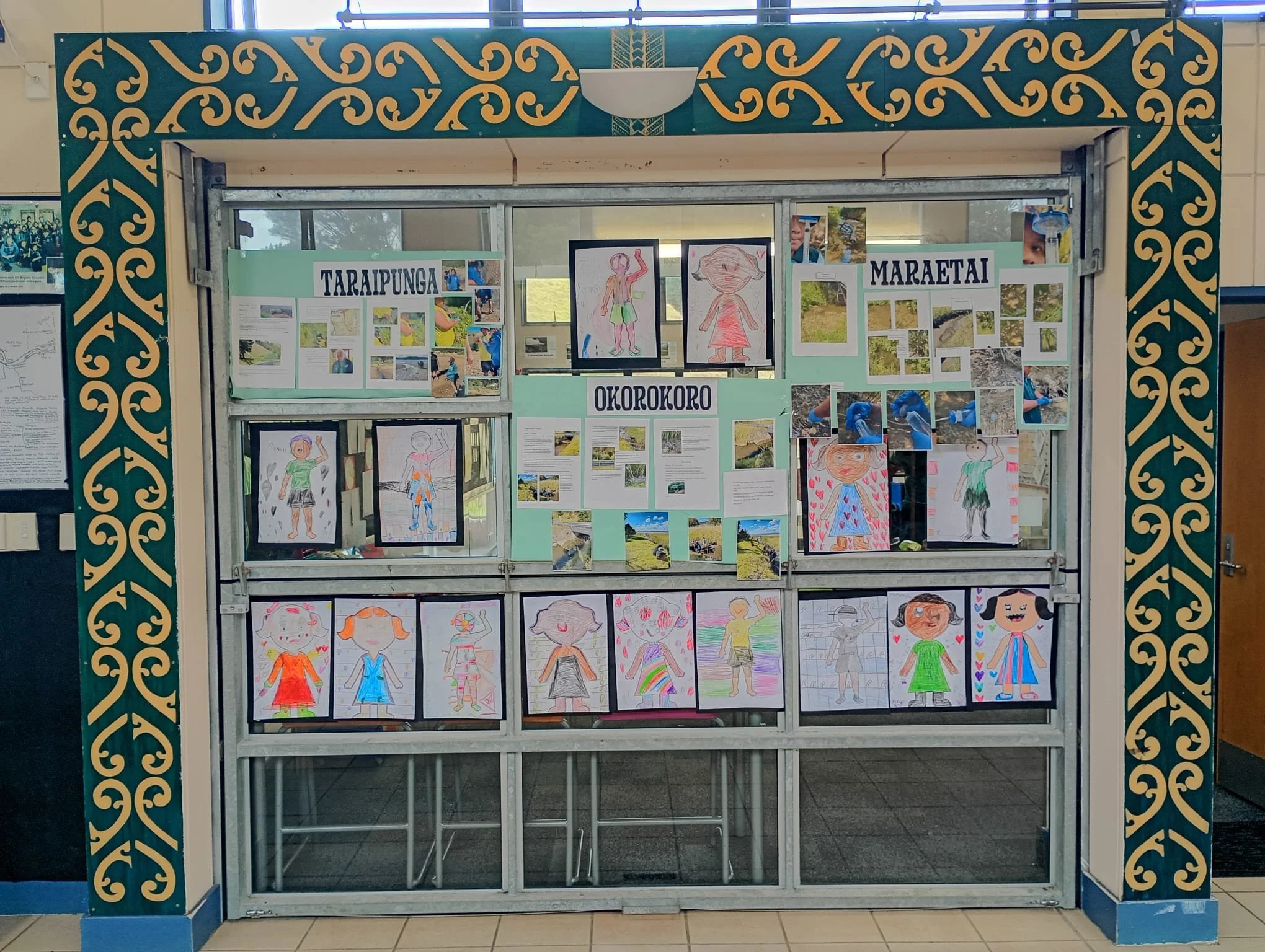
Ngāti Tīpa are adapting and applying the cultural health indicators across 21 waterway sites, combining cultural observation with eDNA sampling and water quality testing. A distinctive feature of their approach is the involvement of tamariki: surveys have been conducted with 37 rangatahi, supported by kuia and kaumatua who provide cultural context and intergenerational knowledge.
This is monitoring as learning, not just measurement, and is a deliberate effort to pass on how to read a waterway before that knowledge is lost. By involving kura in the fieldwork, Ngāti Tīpa are extending the reach of the programme into the next generation at the same time as building the evidence base for what is happening in their awa today.
Ngāti Te Ata
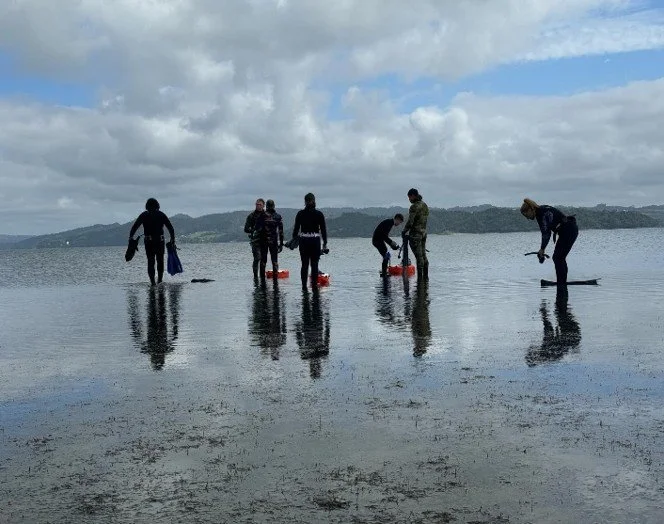
Ngāti Te Ata's project is built around a Maramataka framework that determines when, where, and how surveys take place. Fieldwork is timed to specific lunar phases that the Maramataka identifies as significant for the species and environments being assessed. The monitoring focuses on shellfish — kutai, tupa, tio, peraro, pupu, tuangi, pērāro, and tītiko — surveyed at traditional gathering sites in the Waiuku Estuary and Manukau Harbour, including Hiki on the Taihiki Awa,
A cultural indicator database has been developed and aligned to Ngāti Te Ata's own tikanga, and a baseline Maramataka established to track patterns over time.
Nurseries and planting
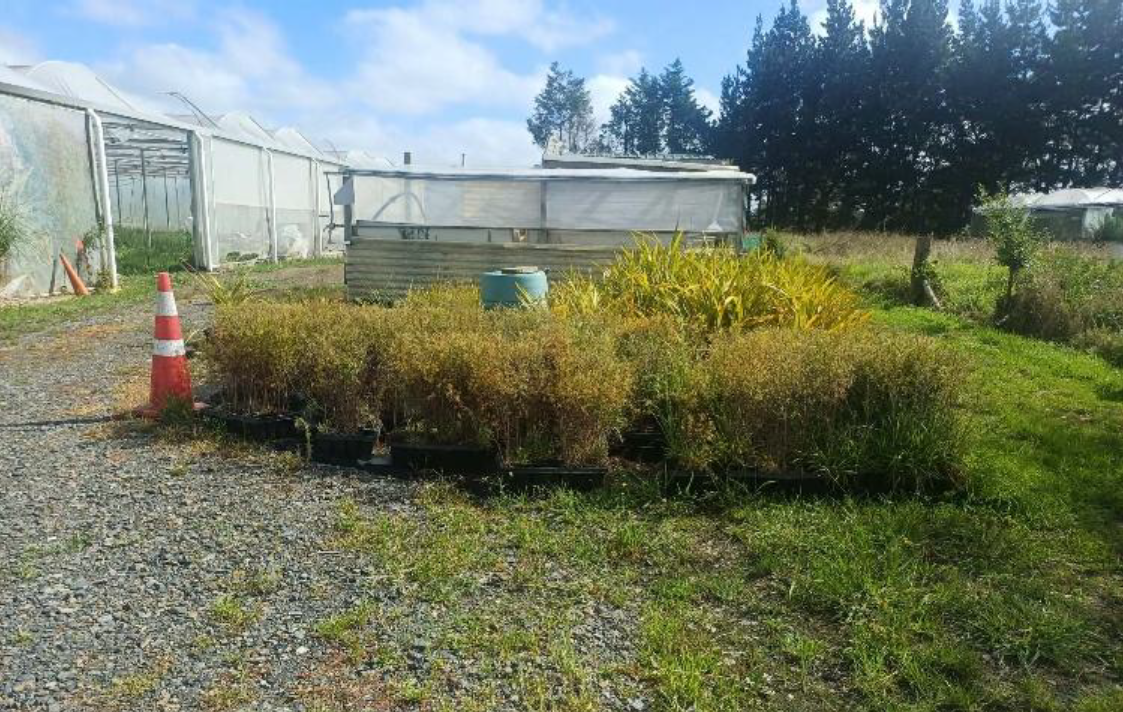
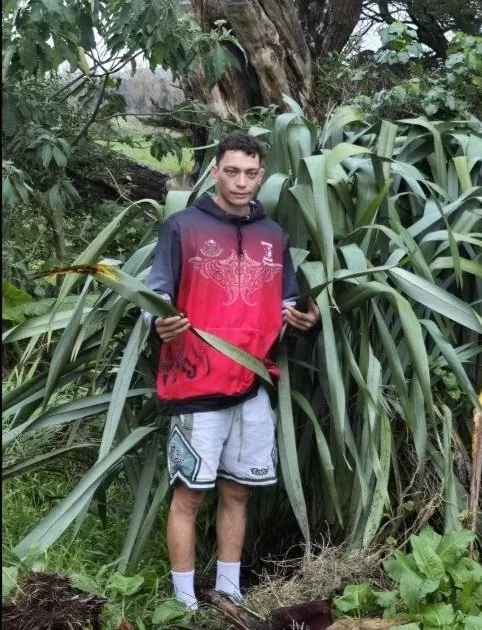
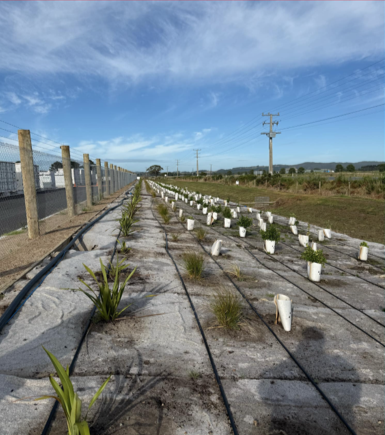
Through the TToP programme, Ngāti Tamaoho and Ngāti Te Ata each established a nursery and led restoration planting in areas of cultural significance to them, including waterway and lake-edge sites across the catchment. The work runs from seed to soil: collecting eco-sourced seed locally, propagating it, planting it out, and then the long unglamorous business of pest and weed control that determines whether young plants survive their first years. Nursery stock trucked in from elsewhere might be the same species, but it doesn't carry the whakapapa of this place. Plants grown from seed collected within the rohe are adapted to local conditions, and for mana whenua they carry something more — a line of descent connecting what's planted back to what has always grown here.
The projects were never just about plants. Local people were employed and trained in nursery operations, propagation, seed collection, and the health and safety credentials the work requires. Wānanga were woven through the mahi so the knowledge moves through the community rather than staying with a handful of practitioners. The thinking was that a nursery is easy to fund and hard to sustain, and what makes it durable is people who know how to run it.
Both nurseries are operating beyond the projects that established them, and both iwi intend to keep building on this foundation.
Te Ahikawariki
Te Ahikawariki (the Vegetable Industry Centre of Excellence/ VICE) is a research and demonstration farm in the heart of Pukekohe that funds research, extension, and upskilling of workers. The name was developed and gifted by Ngāti Te Ata, and the project was built on the premise that mana whenua and vegetable growers needed to find common ground on environmental concerns rather than work around each other. TToP administered over $2 million in seed funding from the Essential Freshwater Fund to get Te Ahikawariki off the ground.
Te Ahikawariki operates from an eight hectare demonstration farm on Cronin Road in Pukekohe, running applied research trials, postgraduate scholarships, student internships, and extension projects with national relevance to the vegetable sector. It has its own governance and has continued to grow beyond the initial funding.
Find out more at vegcentreofexcellence.nz.
Planting and Monitoring strategies
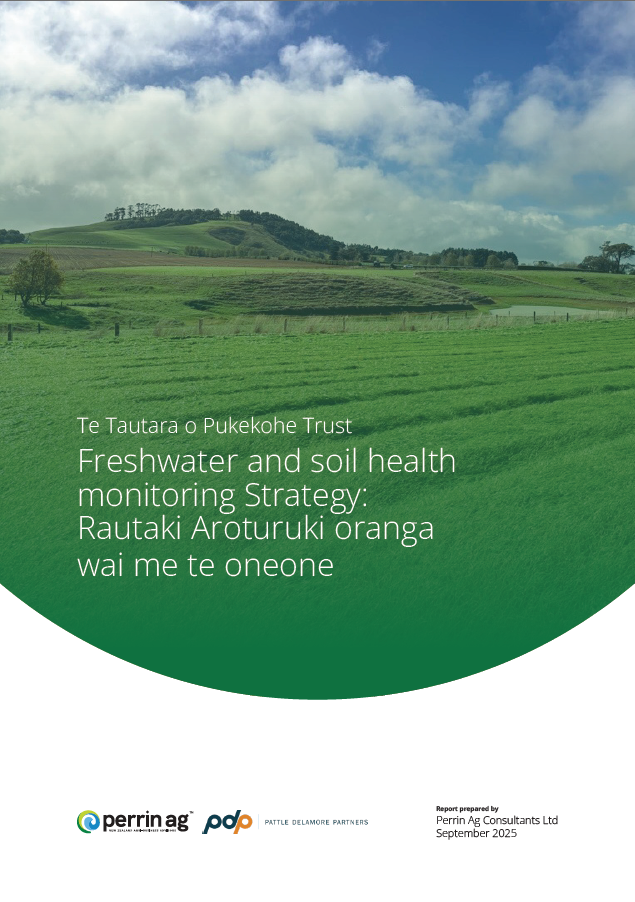
Two strategies were commissioned by the Trust and prepared by Perrin Ag Consultants. Together they provide a shared framework for restoration and monitoring in Pukekohe that didn't exist before.
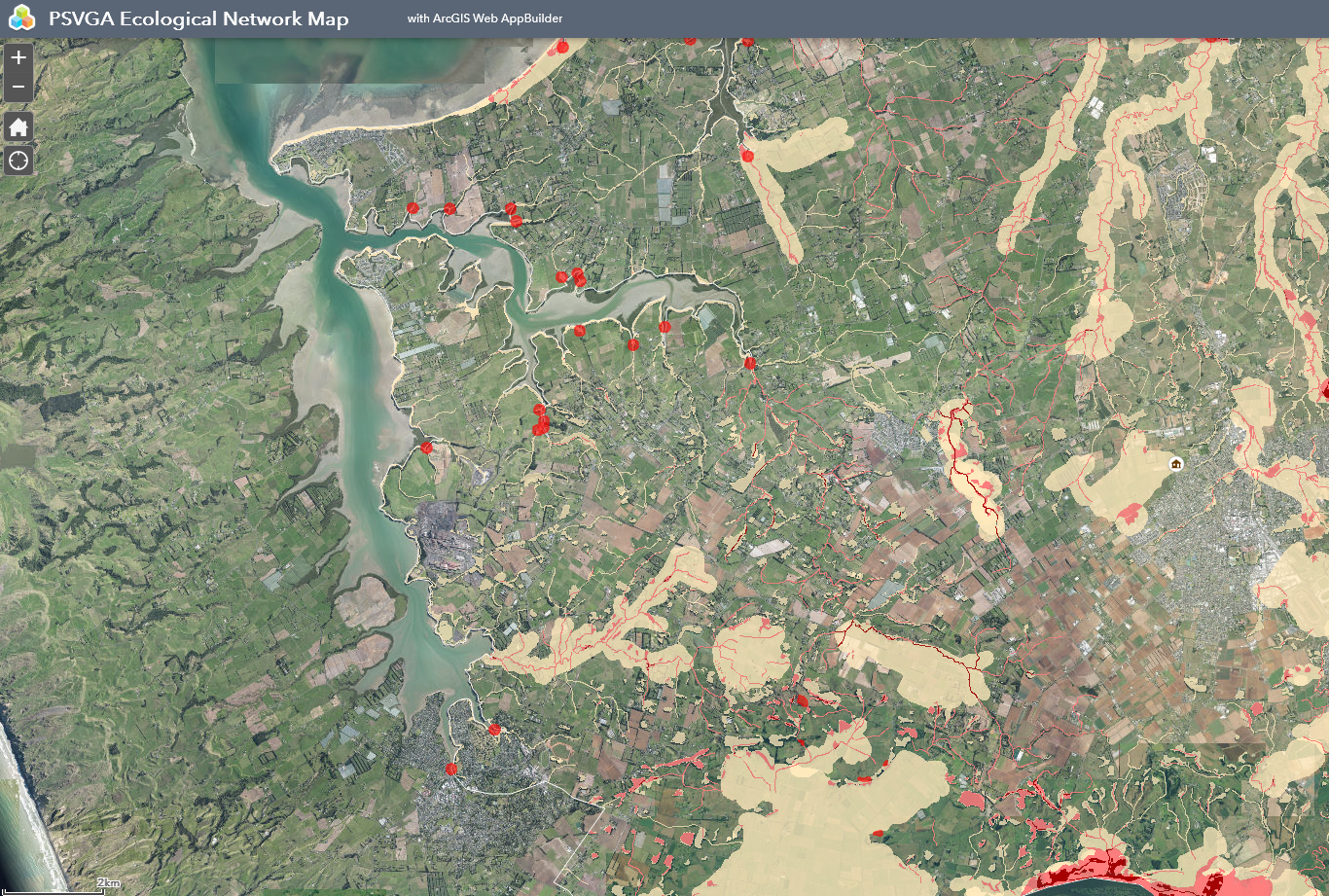
The Ecological Network and Planting Strategy produced three tools: an interactive map of the Pukekohe vegetable growing area where landowners can search their address, see what tier of ecological benefit their land sits in, and understand what ecosystem type they are working with; a plant selection tool that generates species recommendations tailored to that ecosystem, with cultural significance and rongoā species built into the mix; and a detailed technical report underpinning both. The map was deliberately designed to avoid implying that productive cropping land should be retired, and instead focuses restoration pressure on waterway margins, wetlands, and ecological corridors, while keeping growing land in play. The vision it is working toward is 100 years, not five.
Te Rautaki (the Freshwater and Soil Health Monitoring Strategy) sets out how to actually measure what is happening across the catchment over time. The strategy covers 29 freshwater indicators and 25 soil health indicators, developed through a process that engaged growers, mana whenua, regional councils, and specialist scientists. Rather than measuring everything everywhere, it identifies three distinct purposes for freshwater monitoring and recommends different monitoring approaches and locations for each:
Informing regulatory planning and consenting decisions
Helping growers understand the effects of their practices on downstream water quality
Building knowledge at culturally significant sites
For soil health, the focus is on short rotation cropland, using a mix of laboratory analysis, visual soil assessment, and regional analysis to capture chemical, biological, and physical dimensions of soil condition. The strategy is also designed to preserve anonymity, so that data can be used to identify catchment-wide trends and inform investment decisions without exposing individual growers or mana whenua sites.
Environmental tools for growers
Pukekohe's volcanic soils and rolling contour are a big part of why the area grows vegetables so well, but the same conditions create problems for water. Cultivated paddocks left bare between crops shed sediment in heavy rain, and that soil ends up in streams, taking nutrients with it. Nitrogen is the other issue. Vegetables are hungry crops grown in quick rotations, and nitrogen that isn't taken up by the plant leaches down through the soil profile into groundwater, where it can sit for decades before it ever shows up in a stream. Neither problem can be regulated away without also regulating away the vegetables, which is exactly the trade-off this whole programme exists to avoid.
Three projects, delivered by Horticulture NZ, aimed to work directly with growers and their advisers on the things that shift behaviour: infrastructure that catches sediment before it leaves the paddock, better information for nitrogen decisions, and trial evidence on growing practices that hold soil and nutrients in place. The thinking behind all of them was the same. Tools and infrastructure get used when the people expected to use them have helped shape them, and ignored when they arrive from outside.
Crop Stacking
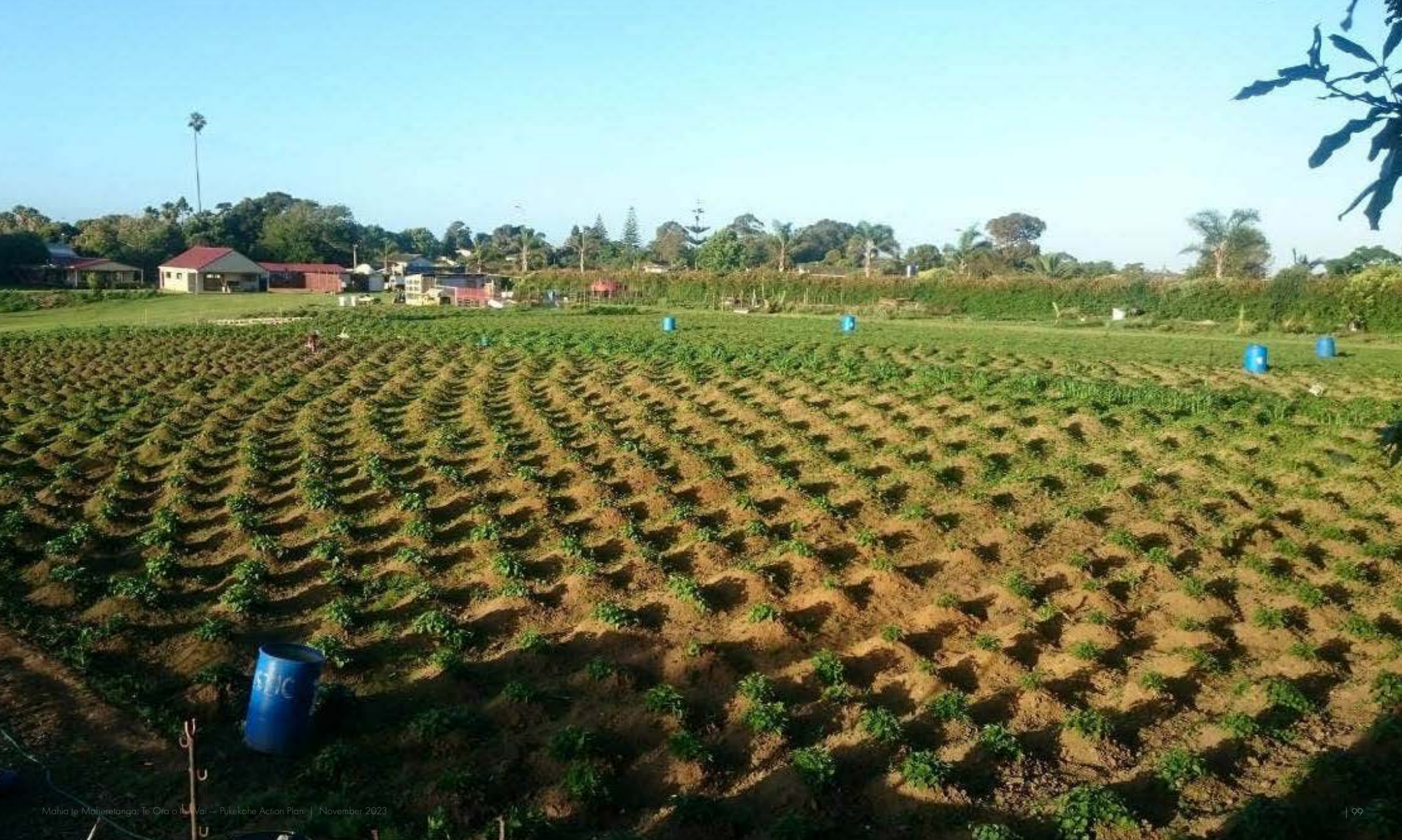
Crop stacking involves planting a grass cover crop alongside a cash crop, with the aim of improving soil health and holding onto nutrients and sediment that would otherwise be lost. It builds on an earlier pilot in the area. The trial here grew a commercial crop with stacked and conventional sides next to each other, monitored from establishment through to harvest, with soil and biomass sampling along the way.
The appeal of the approach is that it works inside existing rotations. Growers don't need to retire land or change what they grow. Whether it stacks up commercially depends on what the trial analysis shows, and that reporting is being completed now.
Nitrate Decision Support
Working out how much nitrogen a crop actually needs, rather than what habit or insurance suggests, is one of the most direct ways to reduce nitrate losses without hurting yield. This project worked on getting the SVS (Sustainable Vegetable Systems) nitrogen budgeting tool into everyday use in Pukekohe. Rather than going to growers cold, it worked through agronomists, who met regularly as a group, tested the tool against their own judgement, and pushed improvements back to the developers.
The tool was then tracked on real crops with large growing operations, comparing its recommendations against experienced growers' own fertiliser programmes. The project also dug into the practical barriers that stop soil testing being used more often, which in Pukekohe's heavy soils are real. Interest from other regions has followed, and industry is now setting up SVS hubs elsewhere in the country.
Sediment Management
This project worked in the Whangamaire catchment, where sediment risk was mapped paddock by paddock to work out where intervention would do the most good. From there, erosion and sediment control designs were prepared and refined with the growers and contractors who would be living with the results. Sediment retention ponds have been constructed across the catchment, staged around cropping cycles so land wasn't sitting idle while machinery waited for a gap between crops.
One of the more useful things the project has done is make the Erosion and Sediment Control Code of Practice visible. A code on paper is one thing; a properly built pond on a working farm is another, and the lessons from installation are feeding back into the updated Code. A demonstration installation at Te Ahikawariki gives visitors a chance to see what correct design looks like up close.